

PEth Alcohol Testing: A Modern Approach to Monitoring Alcohol Consumption
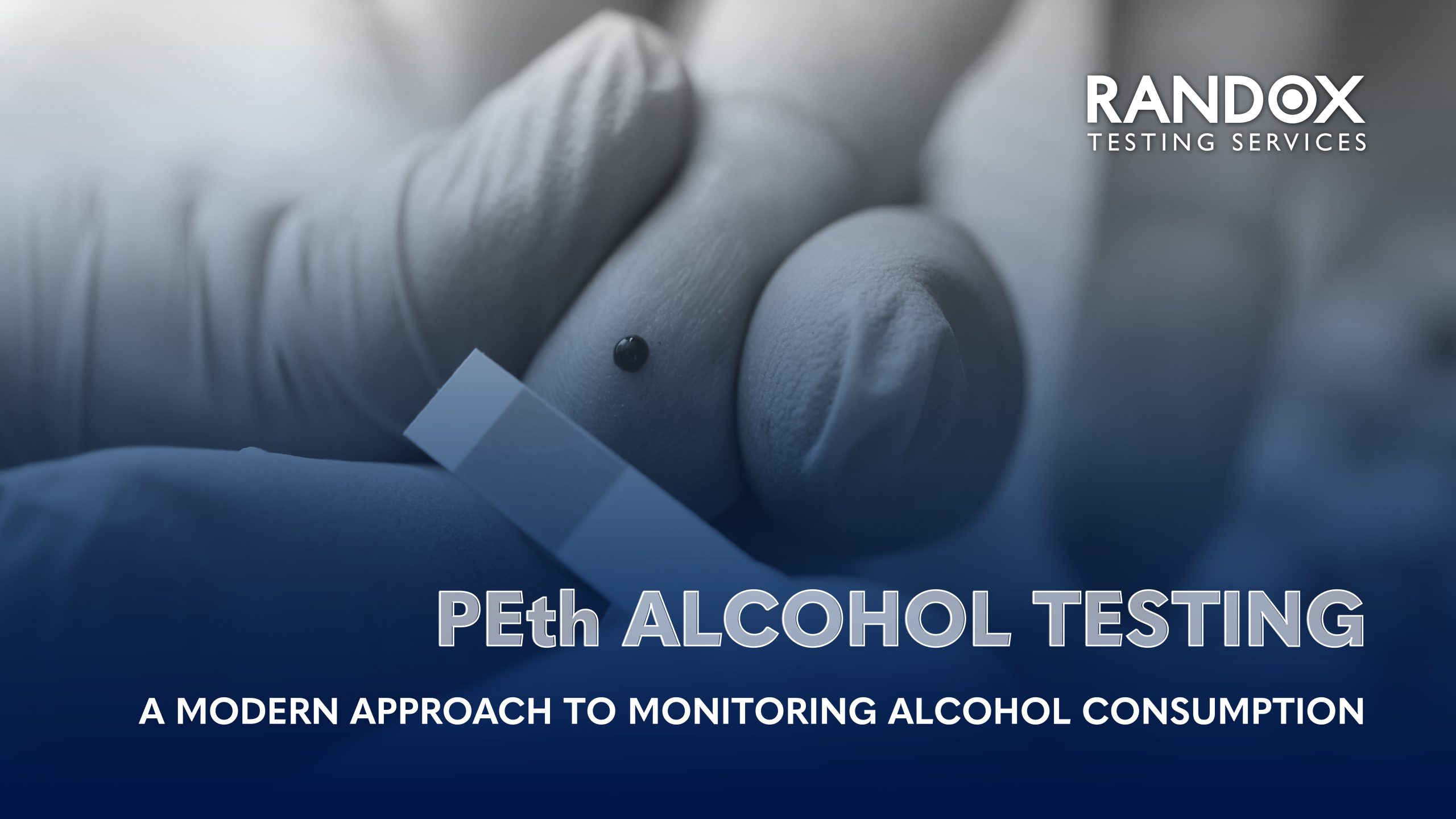
PEth Alcohol Testing: A Modern Approach to Monitoring Alcohol Consumption
Monitoring alcohol consumption over a meaningful period has traditionally relied on indirect markers such as CDT (carbohydrate-deficient transferrin) and liver function tests (LFTs). While useful in some circumstances, these methods can be influenced by a range of non-alcohol-related factors including liver disease, obesity, diabetes, age, and certain medications, making interpretation more complex.
Today, phosphatidylethanol (PEth) testing offers a more specific and sensitive approach.
What is PEth?
Phosphatidylethanol (PEth) is a group of phospholipids formed exclusively in the body when alcohol is consumed. Because it is only produced in the presence of ethanol, PEth is considered a direct biomarker of alcohol consumption.
At Randox Testing Services, we measure PEth to assess alcohol consumption up to 4 weeks previous.
Unlike older testing approaches that often required venous blood collection by a trained phlebotomist, PEth testing can be performed using a simple dried blood spot (DBS) sample collected from a finger prick, making the process far more convenient for both workplace and medico-legal settings.
Why PEth Testing Has Become the Preferred Choice
- Highly Specific
PEth is only formed when alcohol is consumed, making it a unique marker of alcohol intake.
This is a significant advantage over indirect markers such as CDT and LFTs, which can be affected by conditions unrelated to alcohol use. For example, liver disease, obesity, diabetes, medication, gender, ethnicity and age may all influence traditional alcohol markers, whereas PEth is unaffected by such factors.
- Highly Sensitive
PEth is a highly sensitive direct biomarker, detectable in blood even after consumption of a single dose of alcohol. At the same time, it has been shown to be insensitive to incidental ethanol exposure, such as from mouthwash or alcohol-based hand sanitisers.
Indirect biomarkers, like CDT and LFT are slow to register, only becoming elevated due to the harmful effects of excessive alcohol consumption, so is of limited use for monitoring abstinence. In addition, once elevated, these indirect biomarkers can be slow to normalise following cessation of alcohol consumption.
To minimise the risk of false positives, PEth is generally considered to indicate purposeful alcohol ingestion at values above 20 ng/mL.
- Useful Detection Window
One of PEth’s most valuable advantages is its detection window.
PEth can provide evidence of alcohol consumption over a period of up to 4 weeks prior to sample collection, making it highly effective for:
- Monitoring abstinence
- Assessing recent drinking patterns
- Supporting workplace testing programmes
- Supporting medico-legal investigations
This longer window helps overcome one of the key limitations of breath or short-window biological alcohol tests, which may only detect very recent/current consumption.
If a longer window of investigation is required (3 – 6 months), testing ethyl glucuronide in hair perfectly complements PEth testing.
- Convenient and Practical Collection
PEth testing does not require a traditional blood draw.
A dried blood spot (DBS) collected via a simple finger prick provides a stable specimen for analysis, removing the need for a trained phlebotomist in many cases and making collection more practical in a wider range of environments.
This makes PEth a convenient option for both workplace alcohol testing and medico-legal alcohol monitoring.
How PEth Results Are Interpreted
Measured PEth values can be assessed against three broad interpretation tiers to help indicate the likely level of alcohol consumption over the previous month:
- <20 ng/mL – Light or No Consumption
Supports a claim of abstinence or low alcohol consumption in the month prior to sample collection. - 20–200 ng/mL – Significant Consumption
Indicates a moderate level of alcohol consumption in the weeks leading up to sample collection. - >200 ng/mL – Heavy Consumption
Indicates excessive alcohol consumption in the period prior to sample collection.
It is important to note that drinking pattern matters. For example, consuming ten drinks in one session may produce a higher PEth result than consuming the same number of drinks spread across several occasions.
PEth Testing from Randox Testing Services
Randox Testing Services routinely offers PEth alcohol testing for abstinence monitoring for both workplace and medico-legal customers.
By providing a highly specific and sensitive modern alcohol testing method, PEth testing can offer valuable support in cases where a clearer understanding of alcohol consumption is needed.
If you would like to learn more about PEth alcohol testing, Contact us today:
Email: testingservices@randox.com
Phone: +44 (0) 28 9445 1011
LinkedIn: Randox Testing Services
Learn more about our services at: Randox Drug & Alcohol Testing Services